Introduction
In today's fast-paced world, the duty of assistance workers has actually come to be significantly important, particularly when it comes to supplying look after people with details medical conditions like epilepsy. Epilepsy influences several Australians, and with the National Disability Insurance Coverage System (NDIS) in place, there is an increased requirement for specialized training among support workers. Empowering Assistance Employees: Important Epilepsy Training for NDIS Success isn't simply a catchphrase; it's a requirement that makes certain not just the safety and health of people with epilepsy however additionally boosts the total quality of treatment offered. This short article delves into different aspects of epilepsy training for support workers, stressing its value within the NDIS framework.
Understanding Epilepsy: A Quick Overview
What is Epilepsy?
Epilepsy is a neurological condition identified by epilepsy medication training reoccurring seizures caused by abnormal electric activity in the brain. Seizures can differ in type and severity, prompting various reactions from caretakers. Comprehending these characteristics is essential for any individual functioning carefully with individuals influenced by this condition.
Types of Seizures
Seizures are classified primarily right into two types:
Focal Seizures: These come from one area of the brain and might or may not affect consciousness. Generalized Seizures: These involve both sides of the brain from the start and normally cause a loss of consciousness.Recognizing these distinctions enables support employees to tailor their techniques effectively throughout seizure monitoring training.
The Impact of Epilepsy on Daily Life
The effects of epilepsy extend past physical signs and symptoms; they can significantly impact emotional and social health. People might experience anxiousness regarding possible seizures, causing isolation or withdrawal from social activities. Assistance workers outfitted with appropriate training can help reduce these obstacles via reliable communication and empathetic engagement.
The Function of NDIS in Sustaining People with Epilepsy
What is NDIS?
The National Handicap Insurance Plan (NDIS) provides essential assistances to Australians with disabilities, including those coping with epilepsy. Via customized funding plans, individuals receive customized care that meets their unique needs.
NDIS and Epilepsy Supports
Under the NDIS framework, numerous supports are offered particularly for those handling epilepsy:
- Personal Treatment Assistance: Aid with everyday living activities. Therapeutic Services: Access to experts such as physical therapists or psychologists. Community Participation: Programs advertising addition and social interactions.
By understanding these choices, assistance workers can better advocate for their customers' needs.
How NDIS Facilitates Training
To make certain effective solution shipment, NDIS stresses the significance of specialized training programs for assistance workers handling epilepsy monitoring. This consists of comprehensive training modules covering various facets such as:
- Epilepsy awareness Seizure management Emergency procedures
Training equips workers not just with knowledge yet also confidence-- a critical variable when replying to emergencies.
Empowering Support Workers: Crucial Epilepsy Training for NDIS Success
The Relevance of Specialized Training
Specialized epilepsy training prepares assistance workers to take care of one-of-a-kind scenarios with confidence and effectively. It allows them to create abilities that go beyond basic caregiving-- skills that encompass recognizing triggers, identifying seizure types, carrying out medicine safely, and doing first aid if necessary.
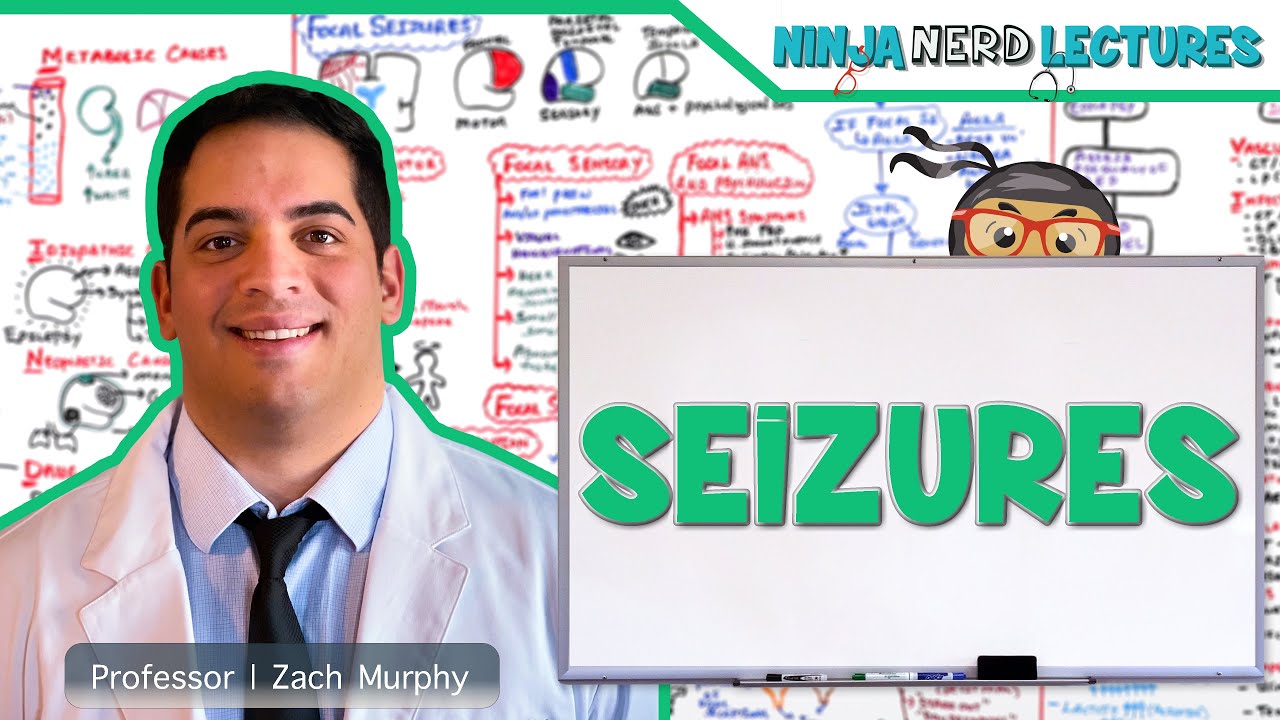

Key Parts of Effective Training Programs
When discussing epilepsy training courses, particular crucial components must be included:
Understanding Seizure Types: Determining focal versus generalised seizures. First Help Protocols: Understanding exactly how to respond properly throughout a seizure episode. Medication Management: Expertise regarding suggested drugs and potential side effects. Communication Skills: Involving effectively with people experiencing seizures. Emotional Support Techniques: Giving peace of mind pre-and post-seizure.These components jointly empower support workers while guaranteeing they are equipped to provide high-grade treatment lined up with NDIS standards.
Types of Epilepsy Training Available
1. Epilepsy Understanding Training
Awareness training concentrates on educating caregivers concerning what epilepsy requires-- its symptoms, sets off, and therapies available. This fundamental expertise fosters an atmosphere where informed choices can be made concerning customer care.
2. Seizure Management Training
This specific training equips support employees with practical skills required during seizure episodes-- just how to maintain clients risk-free, what actions to take when a seizure takes place, and how to help them afterward emotionally and physically.
3. Medicine Management Training
Understanding medications recommended for epilepsy is important as improper management can cause extreme issues. This type covers guidelines on administering medicine properly while observing any type of side effects or reactions.
4. First Aid Training
Comprehensive seizure emergency treatment training should be compulsory for all caretakers functioning within the world of epilepsy administration-- this ensures they can act promptly when emergency situations occur without panic or confusion.
Benefits of Comprehensive Epilepsy Training
Improved Safety Protocols
One key benefit originated from reliable epilepsy training courses includes boosted safety procedures being established within caregiving environments-- minimizing threats associated with uncontrolled seizures significantly decreases instances of injury both physically and emotionally for clients involved.
Increased Self-confidence Among Support Workers
Support employees that undergo strenuous epilepsy management training arise extra certain in their abilities-- they are prepared enough psychologically & & literally therefore reducing sensations linked around stress and anxiety whilst dealing in between varying situations including customers under their supervision!
Enhanced Quality Care
Above all else? The supreme objective stays delivering high-grade health care solutions-- an educated caretaker leads directly towards improved life outcomes among customers struggling with chronic illnesses like epilepsy!
Key Factors to consider When Choosing an Epilepsy Training Program
When looking into epilepsy registered nurse training or various other appropriate programs on offer think about reviewing:
Accreditation StatusGuarantee that the program provider holds relevant certifications acknowledged within Australia's health care industry. Content Relevance Verify whether course materials straighten very closely in the direction of most current research findings pertaining to ideal techniques bordering epileptic treatment methods! Instructor Expertise Study credentials held by teachers helping with trainings - they should have riches experience coupled alongside academic backgrounds specializing around neurology studies!
Frequently Asked Concerns (Frequently asked questions)
1. Why is specialized training essential for assistance employees handling epilepsy?
Specialized training ensures that caregivers recognize complex issues surrounding seizures - fostering more secure atmospheres while generating much better medical care outcomes altogether!
2. What does an epilepsy training certificate entail?
An epilepsy training certificate indicates conclusion & & understanding gained after taking part in organized education and learning programs developed around managing conditions associated specifically in the direction of epileptic disorders!
3. Are there specific courses available under NDIS focused solely on supporting people impacted by seizures?
Absolutely! Various certified organizations supply tailored programs focusing mainly targeting demands particularised across clients identified under this group by means of NDIS networks!
4. Just how typically must refreshers be taken article preliminary qualifications obtained?
Typically recommended periods vary anywhere in between every year up until 3 years post preliminary trainings conducted; regular updates make sure proceeded relevance in the middle of evolving medical improvements & & altering policies/protocols accordingly!

5. Can family members also gain from these trainings together with expert caregivers?
Yes! Household participation produces cohesive bonds furthering understanding/awareness surrounding day-to-day difficulties encountered everyday hence improving general caregiving experiences with each other collaboratively!
6. What sources exist past formalized trainings available currently?
Numerous online platforms provide access in the direction of e-learning components focusing upon subjects connected straight in the direction of epileptic care - inspect federal government sites along not-for-profit companies supporting awareness efforts too!
Conclusion
In conclusion, encouraging support employees with vital epilepsy training is crucial not only for specific health outcomes but also assists in broader success within frameworks like the NDIS program focused on boosting quality caregiving experiences throughout diverse populations affected by this problem worldwide! As shown throughout our exploration today-- from recognizing essential ideas concerning epileptic problems right through considering crucial aspects driving effective instructional paths-- there exists obvious value associated along with spending time/resources devoted in the direction of constructing specialized skillsets amongst those left having fun essential roles browsing complexities fundamental within helping others each day!